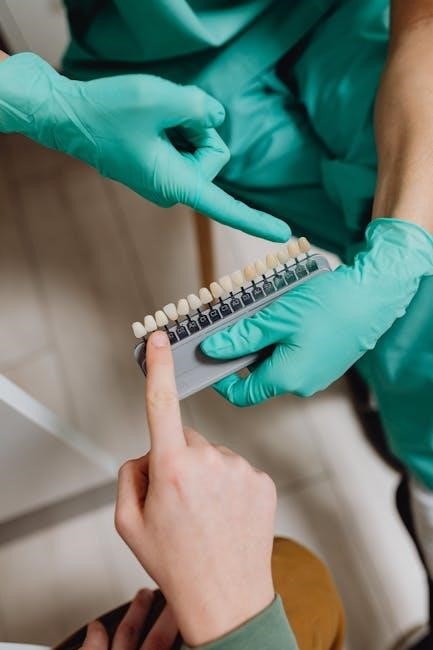
Dental Assistant Study Guide: A Comprehensive Plan
Embarking on a dental assisting career requires dedication! Certification is key to success, demanding thorough preparation and passing a comprehensive exam to demonstrate essential skills and knowledge․
Dental assistants are vital members of the dental healthcare team, working closely with dentists to provide exceptional patient care; Their role extends far beyond simply handing instruments; it’s a multifaceted position demanding a diverse skillset and unwavering commitment to patient comfort and safety․
Core responsibilities include preparing treatment rooms, assisting the dentist during procedures, taking and developing dental radiographs, and providing post-operative instructions․ They also manage patient records, schedule appointments, and ensure a sterile environment․ A successful dental assistant possesses excellent communication skills, attention to detail, and a strong understanding of dental terminology and procedures․
The demand for qualified dental assistants is consistently high, offering excellent career stability and growth potential․ This guide serves as a comprehensive resource for aspiring and current dental assistants, covering essential knowledge, practical skills, and the pathways to certification and professional development․ Mastering these elements is crucial for thriving in this dynamic and rewarding profession, ultimately contributing to positive patient outcomes and a successful dental practice․
II․ Educational Pathways for Dental Assistants
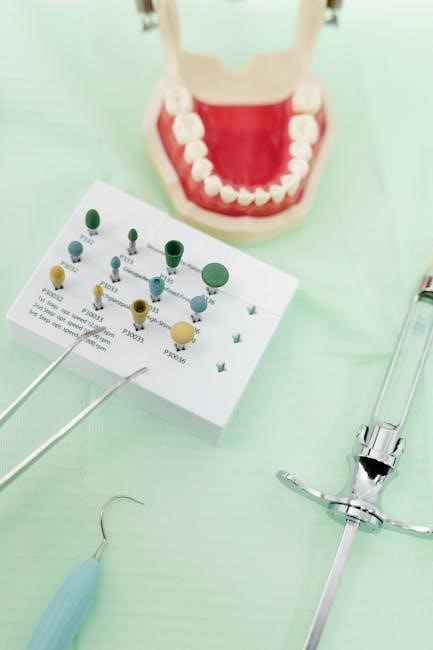
Several routes lead to a fulfilling career as a dental assistant, each with varying levels of education and training․ The most common pathways include vocational school programs, community college courses, and on-the-job training․ Vocational schools typically offer certificate programs lasting several months, focusing on practical skills and preparing students for entry-level positions․
Community colleges provide Associate’s degrees in Dental Assisting, offering a more comprehensive education encompassing theoretical knowledge, clinical experience, and general education courses․ This degree often enhances career prospects and earning potential․ On-the-job training, while less common, involves learning directly from experienced dental assistants under the supervision of a dentist․
Choosing the right pathway depends on individual goals and circumstances․ Certificate programs offer a quick entry into the field, while an Associate’s degree provides a broader foundation and potential for advancement․ Regardless of the chosen path, seeking accreditation from recognized organizations like the Commission on Dental Accreditation (CODA) is crucial to ensure program quality and eligibility for certification exams․
III․ Accredited Dental Assistant Programs
Selecting an accredited Dental Assistant program is paramount for ensuring a high-quality education and future career success․ Accreditation, primarily through the Commission on Dental Accreditation (CODA), signifies that a program meets rigorous standards for curriculum, faculty, and clinical facilities․ CODA-accredited programs are essential for eligibility to sit for the Certified Dental Assistant (CDA) examination administered by the Dental Assisting National Board (DANB)․
When researching programs, verify their accreditation status directly on the CODA website (www․codaeducation․org)․ Accredited programs typically offer a well-structured curriculum covering foundational sciences, dental procedures, infection control, and office management․ They also provide ample clinical experience in a supervised dental setting․
Beyond CODA accreditation, consider program reputation, job placement rates, and student testimonials․ Visiting campuses and speaking with current students and faculty can provide valuable insights․ Investing in an accredited program demonstrates a commitment to professional excellence and significantly enhances employment opportunities within the dental field․
IV․ Core Curriculum: Foundational Knowledge
A robust core curriculum forms the bedrock of a successful dental assisting career․ Foundational knowledge encompasses a diverse range of subjects, meticulously designed to prepare assistants for the multifaceted demands of the profession․ This begins with a strong understanding of human anatomy and physiology, specifically as it relates to the oral cavity, teeth, and surrounding structures․
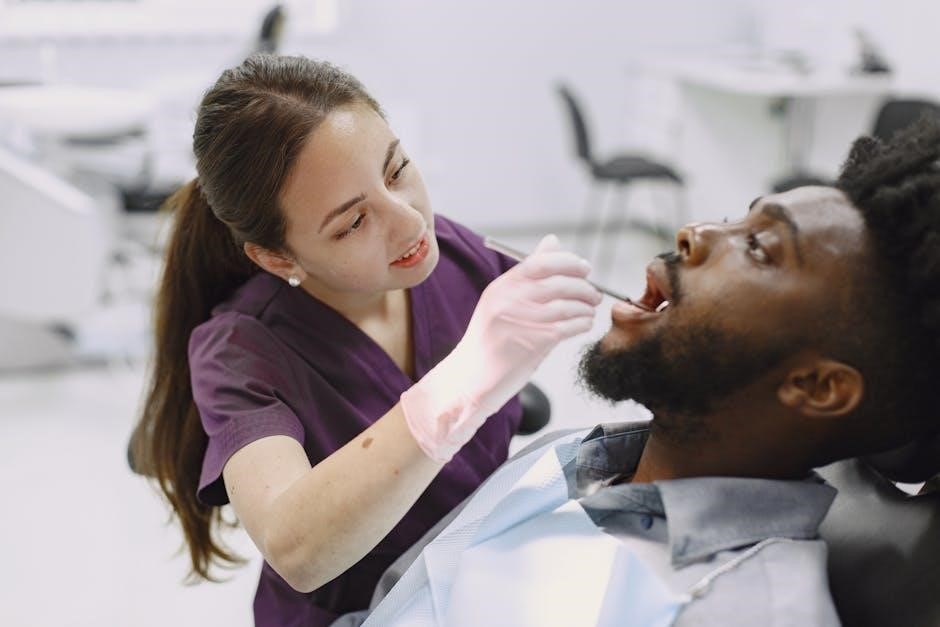
Essential coursework includes comprehensive dental terminology, enabling effective communication within the dental team and accurate charting of patient information․ Dental materials science is crucial, covering the properties, handling, and clinical applications of various materials used in restorative and preventative dentistry․
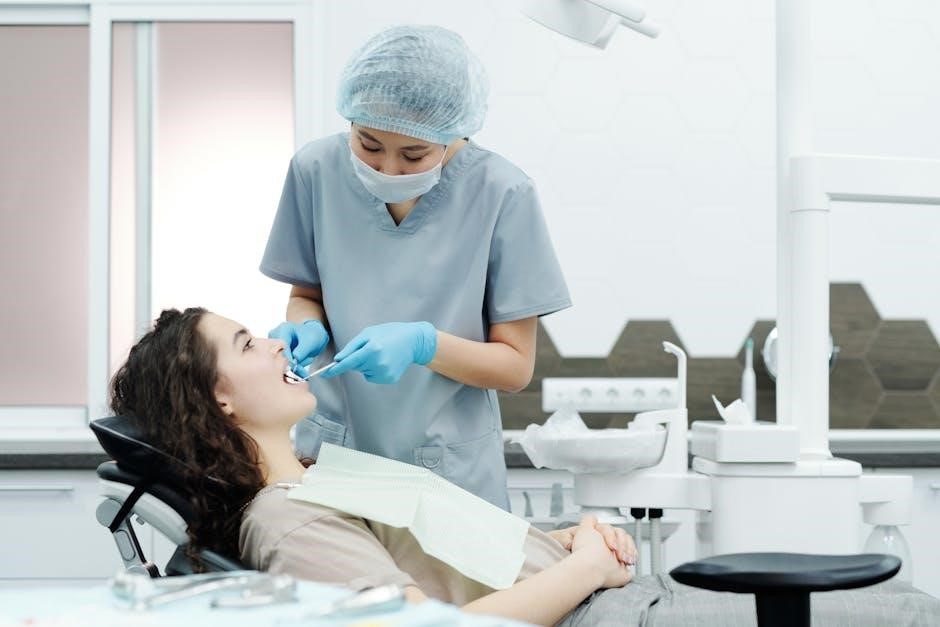
Furthermore, a solid grasp of infection control principles, sterilization techniques, and relevant legal regulations (OSHA and HIPAA) is non-negotiable․ These core elements, combined with practical training, equip dental assistants with the necessary skills and knowledge to provide safe, efficient, and high-quality patient care․
V․ Dental Terminology & Anatomy
Mastering dental terminology and anatomy is paramount for effective communication and accurate clinical practice․ A comprehensive understanding of these subjects allows dental assistants to confidently interpret instructions, document procedures, and interact professionally with patients and colleagues․ Terminology extends beyond simple word definitions; it involves understanding prefixes, suffixes, and root words to decipher complex medical jargon․
Anatomical study focuses on the oral cavity, including teeth, gums, tongue, and supporting structures․ Assistants must be able to identify and locate these structures accurately, both visually and through radiographic images․ Knowledge of tooth numbering systems (Universal, FDI) is also essential for precise charting and record-keeping․
Furthermore, understanding the relationship between anatomy and physiology – how structures function – is crucial․ This foundational knowledge supports successful chairside assisting, accurate instrument handling, and effective patient education, ultimately contributing to optimal patient care․
VI․ Dental Materials Science
Dental Materials Science is a cornerstone of modern dentistry, and a dental assistant’s understanding is vital․ This field encompasses the properties, composition, and manipulation of materials used in restorative, preventative, and prosthetic treatments․ Assistants must recognize a wide array of materials, including amalgams, composites, ceramics, and impression materials․
Crucially, understanding material characteristics – such as strength, elasticity, and biocompatibility – informs proper handling and application․ Knowing how materials interact with oral tissues and other dental materials prevents complications and ensures treatment longevity․ Assistants play a key role in material preparation, mixing, and delivery to the dentist․
Furthermore, familiarity with newer materials and technologies, like resin-based composites and CAD/CAM materials, is increasingly important․ A solid grasp of dental materials science empowers assistants to contribute effectively to high-quality dental care and maintain a safe, efficient clinical environment․
VII․ Infection Control Protocols
Infection control is paramount in dental settings, safeguarding both patients and the dental team․ Strict adherence to established protocols minimizes the risk of cross-contamination and the spread of infectious diseases․ Dental assistants are at the forefront of these efforts, responsible for implementing and maintaining a sterile environment․
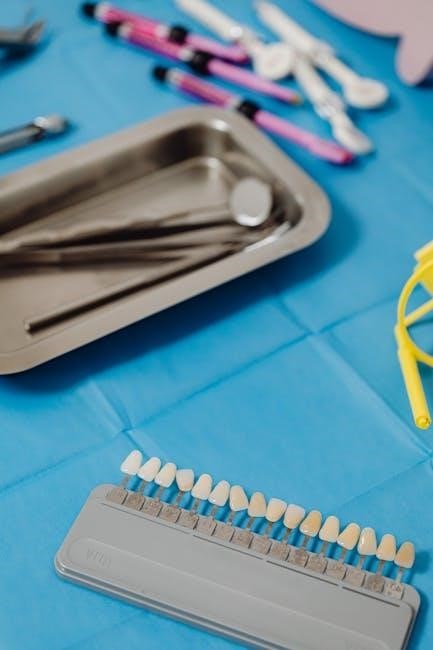
Key protocols include proper hand hygiene, utilizing personal protective equipment (PPE) – gloves, masks, eyewear, and gowns – and meticulous surface disinfection․ Understanding the difference between sterilization, disinfection, and sanitation is crucial․ Assistants must be proficient in handling and disposing of sharps safely, following regulated waste management procedures․
Moreover, knowledge of bloodborne pathogens and airborne disease transmission is essential․ Implementing barrier techniques, like using disposable materials and protective coverings, further reduces contamination risks․ Consistent training and updates on evolving infection control guidelines are vital for maintaining a safe and compliant dental practice․
VIII․ Sterilization and Disinfection Techniques
Mastering sterilization and disinfection is a cornerstone of a dental assistant’s role․ These processes eliminate or reduce harmful microorganisms on dental instruments and surfaces, preventing infection transmission․ Sterilization, the complete elimination of all microorganisms, is achieved through methods like autoclaving – utilizing high-pressure steam – and chemical sterilization․
Disinfection, a less rigorous process, reduces the number of microorganisms but doesn’t necessarily eliminate all․ Various chemical disinfectants are used for surfaces and instruments that cannot withstand sterilization temperatures․ Understanding dwell times – the required contact period for effective disinfection – is critical․
Dental assistants are responsible for operating and monitoring sterilization equipment, ensuring proper loading and cycle completion․ They must also meticulously inspect instruments for cleanliness and integrity before and after sterilization․ Proper packaging and storage of sterilized instruments are vital to maintain sterility․ Regular biological testing verifies the effectiveness of sterilization cycles, guaranteeing patient safety and practice compliance․
IX․ OSHA and HIPAA Compliance
Understanding and adhering to Occupational Safety and Health Administration (OSHA) and Health Insurance Portability and Accountability Act (HIPAA) regulations is paramount for dental assistants․ OSHA focuses on workplace safety, mandating protocols to protect employees from hazards like exposure to infectious materials, radiation, and chemical substances․
Key OSHA requirements include utilizing personal protective equipment (PPE) – gloves, masks, eyewear – implementing exposure control plans, and maintaining accurate records of training and incidents․ HIPAA, conversely, safeguards patient privacy and data security․ Dental assistants must strictly adhere to confidentiality rules, protecting patient information during all interactions․
This includes secure handling of patient records, limiting access to authorized personnel, and obtaining informed consent for treatment․ Regular training on both OSHA and HIPAA is essential to stay updated on evolving regulations․ Non-compliance can result in substantial fines and legal repercussions, emphasizing the importance of diligent adherence to these critical standards within the dental practice․
X․ Chairside Assisting Procedures
Chairside assisting forms the core of a dental assistant’s daily responsibilities, demanding a blend of technical skill and interpersonal finesse․ This involves preparing treatment rooms, sterilizing instruments, and ensuring all necessary materials are readily available for the dentist․ Anticipating the dentist’s needs is crucial for efficient workflow․
During procedures, assistants pass instruments, operate suction devices, and retract tissues, maintaining a dry and clear operating field․ Accurate charting of treatment details and documenting patient responses are also vital tasks․ Effective communication with the patient, offering reassurance and explaining procedures, builds trust and reduces anxiety․
Beyond direct assistance, chairside duties include managing patient flow, taking preliminary impressions, and providing post-operative instructions․ Mastering these skills requires hands-on practice and a thorough understanding of dental procedures․ Proficiency in chairside assisting is a hallmark of a competent and valuable dental assistant, contributing significantly to positive patient experiences․
XI․ Four-Handed Dentistry Techniques
Four-handed dentistry represents a collaborative approach, maximizing efficiency and precision during dental procedures․ This technique demands seamless coordination between the dentist and dental assistant, functioning as a synchronized team․ The assistant’s role extends beyond simply passing instruments; it involves anticipating the dentist’s needs before they are verbally expressed․
Proper positioning is paramount, ensuring both operator and assistant maintain comfortable and ergonomic postures․ Understanding instrument transfer techniques – including the ‘pen grasp’ and ‘clock system’ – is crucial for smooth and predictable movements․ Maintaining a dry field through effective suction control is also a key responsibility․
Effective communication, often non-verbal, is the cornerstone of successful four-handed dentistry․ Assistants must learn to interpret the dentist’s cues and respond accordingly․ Mastering this technique not only enhances procedural efficiency but also reduces fatigue for both team members, ultimately improving the quality of patient care and fostering a positive working environment․
XII․ Patient Preparation and Management
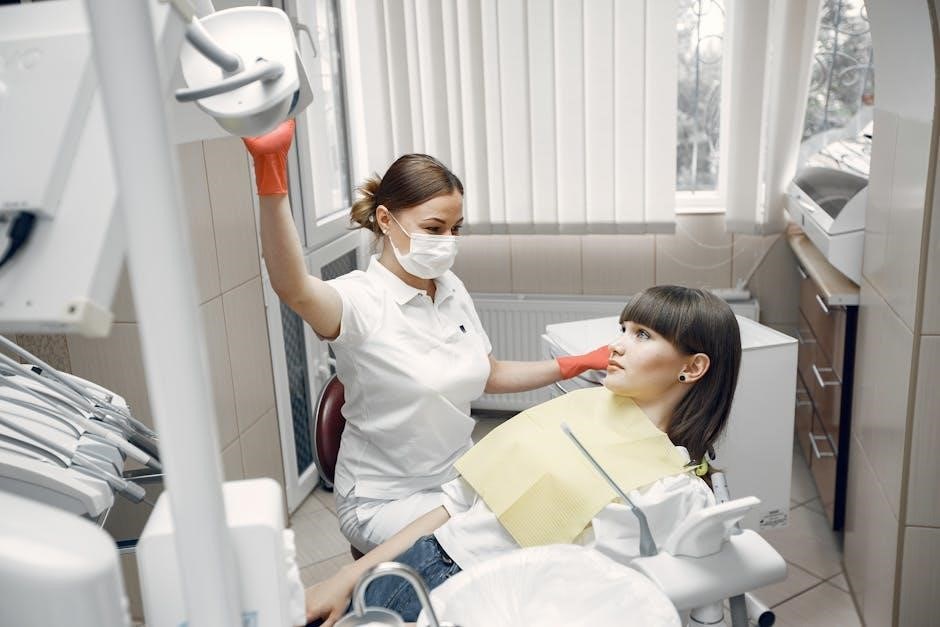
Patient preparation and management are foundational to a positive dental experience․ This begins with a warm and reassuring greeting, establishing rapport and alleviating anxiety․ Thoroughly reviewing the patient’s medical and dental history is critical, noting any allergies, medications, or specific concerns․
Escorting patients to the operatory and properly seating them is the next step․ Explaining the procedure in understandable terms, addressing questions, and ensuring patient comfort are essential․ Preparing the operatory – including setting up instruments and materials – must be completed before the patient is fully seated․
Throughout the appointment, attentive monitoring of the patient’s well-being is vital․ Observing for signs of discomfort or distress, offering reassurance, and maintaining a calm and professional demeanor contribute to a relaxed atmosphere․ Post-operative instructions must be clearly explained, and any follow-up appointments scheduled․ Effective patient management builds trust and encourages continued dental care․
XIII․ Radiography & Imaging
Radiography is a cornerstone of modern dentistry, enabling diagnosis and treatment planning․ Dental assistants play a crucial role in capturing high-quality radiographic images while adhering to strict safety protocols․ Understanding the principles of radiation physics, including ALARA (As Low As Reasonably Achievable), is paramount․
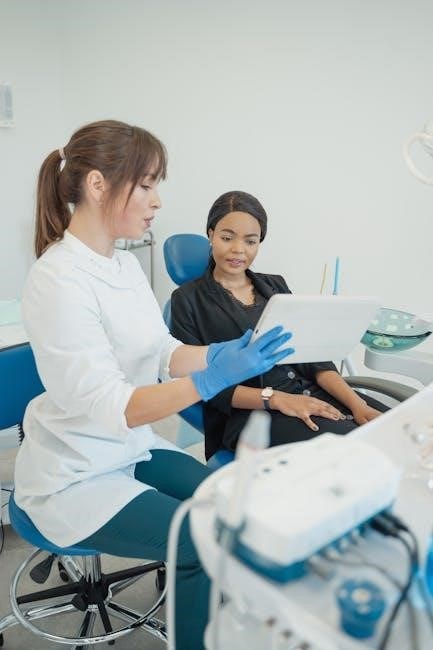
Proper patient positioning and selection of appropriate exposure settings are vital for minimizing radiation exposure and maximizing image clarity․ Mastering various techniques – such as bitewing, periapical, and panoramic radiography – is essential․ Accurate labeling and storage of radiographs are also critical components of this skill set․
The shift towards digital radiography necessitates familiarity with digital sensors, image processing software, and quality control procedures․ Understanding the benefits of digital imaging – reduced radiation, instant image viewing, and enhanced diagnostic capabilities – is key․ Continuous education on advancements in radiographic techniques is highly recommended for dental assistants․
XIV․ Dental X-Ray Techniques & Safety
Mastering dental x-ray techniques requires precision and a thorough understanding of anatomical landmarks․ Proper patient positioning – for techniques like bitewing, periapical, and occlusal radiographs – is fundamental to obtaining diagnostic-quality images․ Accurate cone placement and exposure time selection are equally crucial, minimizing retakes and patient radiation exposure․
Safety protocols are non-negotiable․ Dental assistants must demonstrate proficiency in lead apron and thyroid collar application, ensuring both patient and operator protection․ Knowledge of radiation shielding principles and the use of dosimeters for monitoring exposure levels is essential․ Understanding the biological effects of radiation is also vital․
Image evaluation basics are important; assistants should be able to identify common artifacts and assess image quality․ Familiarity with proper film handling and processing (for traditional film) or digital image management is necessary․ Regular quality control checks of x-ray equipment are a key responsibility, ensuring optimal performance and safety․
XV․ Digital Radiography Principles
Digital radiography represents a significant advancement over traditional film-based systems․ Understanding the core principles is crucial for modern dental assistants․ Unlike film, digital sensors capture x-ray images electronically, offering immediate visualization and manipulation capabilities․
Two primary sensor types exist: direct and indirect․ Direct sensors convert x-ray energy directly into an electrical signal, while indirect sensors utilize a scintillator to convert x-rays into light, then into an electrical signal․ Each type has unique advantages regarding image quality and efficiency․
Image processing software allows for adjustments to brightness, contrast, and color, enhancing diagnostic clarity․ Proper image storage and archiving are essential, adhering to HIPAA guidelines for patient data security․ Digital radiography significantly reduces radiation exposure compared to traditional methods, due to increased sensor sensitivity and optimized exposure settings․
Familiarity with troubleshooting common digital radiography issues – such as sensor malfunctions or software glitches – is a valuable skill․ Understanding the benefits and limitations of this technology is paramount for effective patient care․
XVI․ Laboratory Procedures
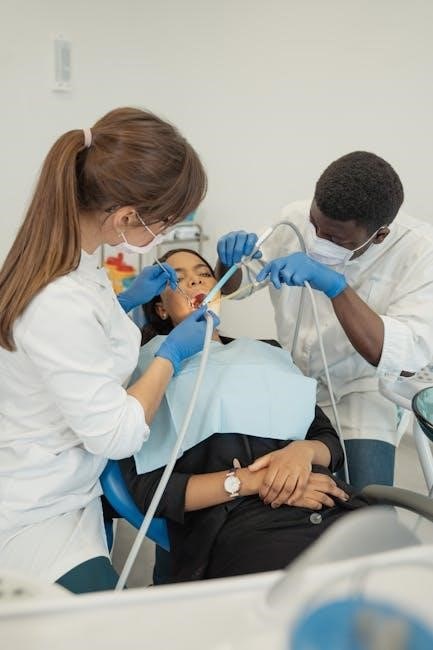
Dental laboratories are integral to many restorative and diagnostic treatments․ The dental assistant plays a vital role in facilitating these procedures, ensuring accuracy and efficiency․ A core skill is assisting with impression taking, meticulously following protocols for material selection and patient comfort․
Model fabrication involves pouring impressions with dental stone, trimming, and preparing them for various applications, like study models or orthodontic appliances․ Understanding the different types of dental stone and their properties is essential․ Accurate model creation is fundamental for precise restorations․
Die preparation, a crucial step for crown and bridge fabrication, requires careful trimming and polishing of individual teeth from the model․ Pouring models and trimming excess material demands precision and attention to detail․ The assistant also assists in fabricating temporary restorations․
Proper handling and disinfection of laboratory materials and instruments are paramount, adhering to strict infection control protocols․ Maintaining a clean and organized laboratory environment is also a key responsibility․
XVII․ Impression Taking & Model Fabrication
Mastering impression techniques is fundamental for restorative dentistry․ Dental assistants prepare patients, select appropriate impression materials – alginate, silicone, or polyether – and ensure accurate tray loading․ Understanding material setting times and potential allergies is crucial․ Proper tray selection, based on patient anatomy, is vital for capturing complete arch details․
During impression taking, assistants manage suction, provide reassurance, and monitor for patient discomfort․ Post-impression, accurate disinfection and pouring of the impression with dental stone are essential․ Model fabrication requires careful attention to detail, avoiding bubbles and distortions․
Trimming and polishing the stone model reveal the precise anatomical details needed for diagnosis and treatment planning․ Different stone types offer varying strengths and setting characteristics․ Die stone, used for creating working models, demands exceptional accuracy․
Understanding the principles of model pouring, including stone-to-water ratio and mixing techniques, ensures high-quality models․ Proper storage and handling prevent damage and maintain dimensional stability․
XVIII․ Dental Instrument Identification & Sterilization
Proficiency in instrument identification is paramount for efficient chairside assisting․ Dental instruments are categorized by function – cutting, condensing, probing, or grasping – and material – stainless steel, carbide, or titanium․ Knowing the specific use of each instrument, like a scaler, explorer, or periosteal elevator, is critical․
Sterilization protocols are vital for preventing cross-contamination․ Instruments undergo a multi-step process: pre-cleaning, ultrasonic cleaning, packaging, and terminal sterilization․ Autoclaving, utilizing steam under pressure, is the most common method, requiring regular spore testing to verify effectiveness․
Chemical sterilization, using solutions like glutaraldehyde, is reserved for heat-sensitive instruments․ Proper handling of these chemicals, including ventilation and personal protective equipment, is essential․ Packaging instruments in appropriate wraps maintains sterility during storage․
Maintaining detailed sterilization records demonstrates adherence to infection control standards․ Understanding the principles of asepsis and the chain of infection is fundamental to patient safety․ Regular instrument inspection identifies damage and ensures optimal performance․
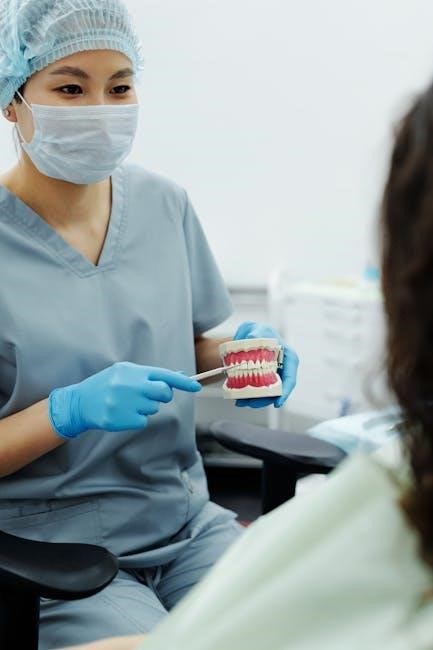
XIX․ Emergency Dental Procedures
Dental emergencies demand swift and calm responses․ As a dental assistant, you’ll be crucial in managing situations like avulsions (tooth displacement), luxations (tooth loosening), and soft tissue injuries․ Immediate assessment of the patient’s vital signs and the nature of the injury is paramount․
For avulsed teeth, proper handling and storage are critical for successful reimplantation․ The tooth should be rinsed gently (avoid scrubbing) and placed in Hank’s Balanced Salt Solution or, if unavailable, milk․ Prompt referral to an endodontist is essential․
Controlling hemorrhage is a primary concern in many emergencies․ Applying firm pressure with gauze, utilizing hemostatic agents, and monitoring the patient’s condition are vital steps․ Recognizing signs of anaphylaxis – difficulty breathing, swelling – requires immediate epinephrine administration (as directed by the dentist)․
Maintaining a well-stocked emergency kit, including oxygen, epinephrine auto-injectors, and appropriate bandages, is crucial․ Documenting all emergency procedures accurately and thoroughly is essential for legal and clinical purposes․ Regular training in CPR and basic life support is non-negotiable․
XX․ Certification & Continuing Education
Achieving certification is a significant milestone for dental assistants, demonstrating competency and professionalism․ The Dental Assisting National Board (DANB) offers the Certified Dental Assistant (CDA) exam, a widely recognized credential․ Passing this exam typically requires graduation from an accredited program and meeting specific eligibility criteria․
State-specific requirements for dental assisting vary considerably․ Some states mandate certification, while others have no formal requirements․ Understanding your state’s regulations is crucial for legal practice․ Maintaining your certification often necessitates completing continuing education (CE) courses․
Continuing education is vital for staying current with advancements in dental technology, materials, and techniques․ CE courses cover topics like infection control, radiography updates, and new restorative procedures․ DANB offers CE opportunities, as do many dental associations and online platforms․
Specialty certifications, such as those in radiography or expanded functions, can enhance your career prospects and earning potential․ Proactive engagement in professional development demonstrates a commitment to excellence and patient care, solidifying your value within the dental team․
XXI․ Career Outlook & Professional Development
The career outlook for dental assistants remains positive, with projected growth exceeding many other healthcare occupations․ This demand stems from an aging population and increasing emphasis on preventative dental care․ Employment opportunities are abundant in private dental practices, public health clinics, and specialty dental offices․
Professional development is key to career advancement․ Beyond initial certification, consider pursuing specialty training in areas like orthodontics, periodontics, or oral surgery․ Expanding your skillset can lead to increased responsibilities and higher earning potential․
Networking with dental professionals through associations like the American Dental Assistants Association (ADAA) provides valuable learning and mentorship opportunities․ Attending conferences and workshops keeps you abreast of the latest industry trends and best practices․
Leadership roles, such as office manager or clinical supervisor, become attainable with experience and further education․ Continuous learning and a proactive approach to professional growth will ensure a rewarding and successful career as a dental assistant, contributing significantly to patient well-being․